
Tired Old Advice for Osteoporosis
If you’ve been searching for solutions to osteoporosis—whether you’ve gotten a bad DEXA scan or your doctor has broken the bone news—there’s a good chance you’ve heard the same advice over and over again: “Take calcium and vitamin D.”
Sound familiar? Maybe your doctor has even recommended a daily calcium supplement or told you to take a vitamin D supplement. Don’t get me wrong—both calcium and vitamin D are important for maintaining healthy bones. But here’s the thing: if you’ve already been diagnosed with osteoporosis, these nutrients alone just aren’t going to cut it.

One reason this advice is so common is that calcium and vitamin D are well-known for preventing rickets in children, a disease caused by vitamin D deficiency that leads to soft and deformed bones. But osteoporosis in post-menopausal women is a completely different condition. While rickets results from a lack of calcium and vitamin D during bone growth, osteoporosis stems from an imbalance between bone breakdown and bone building, often driven by hormonal changes like estrogen deficiency. In osteoporosis, calcium and vitamin D alone won’t reverse the problem because the underlying cause isn’t a simple nutrient deficiency—it’s a more complex issue of bone remodeling.
The most important goal when you’re dealing with osteoporosis is reducing your risk of fractures. Breaking a bone can seriously impact your quality of life, and fractures—especially hip fractures—can lead to long-term complications.
Unfortunately, the research tells us that calcium and vitamin D don’t significantly reduce fracture risk on their own. The Women’s Health Initiative, one of the largest studies on osteoporosis prevention, found that calcium and vitamin D supplementation had only a minimal effect on reducing fractures—and that’s if people stuck to their supplement regimen consistently (and let’s face it, compliance isn’t always perfect). Other studies, including large meta-analyses, have confirmed this. While these nutrients are helpful for maintaining bone health, they aren’t the miracle cure many people expect them to be.
But don’t lose hope—there’s good news! In this blog post, I’ll explain why calcium and vitamin D alone aren’t enough for osteoporosis, and I’ll introduce you to other evidence-based strategies that can help you build stronger bones, reduce your risk of fractures, and improve your overall health.
And here’s the real kicker: there’s one specific supplement that research shows has an even bigger impact on osteoporosis than calcium and vitamin D. Stay with me, and I’ll reveal exactly what that supplement is, how it works, and why it’s a game-changer for bone health.
Why Calcium and Vit D Aren’t Enough
We’ve all heard the same advice: “Take 1,200 mg of calcium daily and make sure to get some vitamin D!”
Let’s be clear—calcium and vitamin D are important. Calcium is the primary mineral that gives your bones their strength, and vitamin D helps your body absorb and use calcium effectively. Without these nutrients, your bones can weaken over time.
But here’s the problem: when it comes to preventing fractures—what really matters with osteoporosis—calcium and vitamin D fall short.
What the Research Says
The Women’s Health Initiative (WHI), one of the largest and most comprehensive studies on osteoporosis, found that calcium and vitamin D supplementation had only a minimal effect on fracture risk. Over seven years, the women in the study who took calcium and vitamin D didn’t see a significant reduction in hip fractures compared to those who didn’t. Even among those who stuck to the supplements consistently, the results weren’t impressive.
Other meta-analyses (reviews of multiple studies) have confirmed these findings. Calcium and vitamin D supplementation simply doesn’t deliver consistent, meaningful results in reducing fractures, especially for older adults. In fact, some studies suggest that calcium and vitamin D might even increase fracture risk in certain groups, like women under 60, possibly due to underlying bone health issues that aren’t being addressed.
Why the Limited Results?
The reason calcium and vitamin D alone don’t work as well as we’d like comes down to how osteoporosis actually affects your bones. Osteoporosis isn’t just about losing calcium—it’s about an imbalance between bone breakdown and bone building. As we age, bone breakdown (carried out by cells called osteoclasts) outpaces bone building (done by osteoblasts).
Calcium and vitamin D may provide the raw materials your body needs for bone repair, but they don’t do much to correct this imbalance. It’s like pouring water into a leaky bucket—it helps a little, but it doesn’t address the bigger problem.

Other Supplements to Consider
To effectively reduce fracture risk, we need more than just calcium and vitamin D. Certain other supplements have shown promise in improving bone density and possibly decreasing fractures:
- Magnesium: Plays a critical role in bone formation and helps regulate calcium levels in your bones and bloodstream.
- Boron: Supports bone metabolism and works synergistically with calcium, magnesium, and vitamin D to enhance bone health.
- Strontium: A mineral that has been shown in some studies to increase bone density and decrease the risk of fractures, particularly in postmenopausal women with osteoporosis.
These nutrients work in tandem with calcium and vitamin D to strengthen your bones and improve their quality. Together, they form part of a more comprehensive approach to osteoporosis management.
Supplements - Part of the Solution
If you’ve been relying solely on supplements to manage osteoporosis, it’s time to broaden your approach. While calcium, vitamin D, and other supplements play a role in bone health, they’re not the full solution. True bone strength comes from a combination of nutrients, movement, and lifestyle habits that work together to improve both bone density and bone quality.
The Role of Exercise
Your bones are dynamic, living tissue—they respond to stress, just like muscles do. This means that weight-bearing and resistance exercises are some of the most effective ways to stimulate bone growth and maintain bone density.
- Weight-bearing exercises like walking, hiking, or dancing force your body to work against gravity, putting healthy stress on your bones.
- Resistance training using weights, resistance bands, or even bodyweight exercises like push-ups and squats strengthens the muscles that support your bones and reduces your risk of falls.
Not sure where to start? Activities like yoga and tai chi can improve balance and flexibility, reducing your fall risk, while also building strength.
And when it comes to strength training, you don’t have to spend a lot of money or time going to the gym with all the muscled bros. Just start small with some dumbbells or a kettlebell, and focus on simple, consistent movements that challenge your muscles and bones. Even light weights can make a big difference when you’re just starting out.
The key is consistency—aim for at least 30 minutes of weight-bearing activity most days of the week and incorporate strength training at least twice a week.
Vitamin K2 - Game-Changer for Bone Health
If you’ve been searching for the missing link in osteoporosis prevention and treatment, Vitamin K2 might just be it. It’s not as well-known as calcium or vitamin D, but its impact on bone health is far more dramatic.
Why Vitamin K2 Matters
Think of Vitamin K2 as the traffic director for calcium. While calcium is essential for building strong bones, it doesn’t always end up where it’s supposed to. Without enough Vitamin K2, calcium can get deposited in your arteries instead of your bones, leading to hardened arteries and weak bones. Vitamin K2 ensures calcium goes to your bones, where it belongs.
But that’s not all. Vitamin K2 also activates proteins (like osteocalcin and MGP) that improve bone health:
- Osteocalcin binds calcium to the bone matrix, increasing bone strength.
- Matrix Gla-protein (MGP) prevents calcium from forming dangerous deposits in your arteries, supporting cardiovascular health alongside bone health.
Two Powerful Forms of Vitamin K2
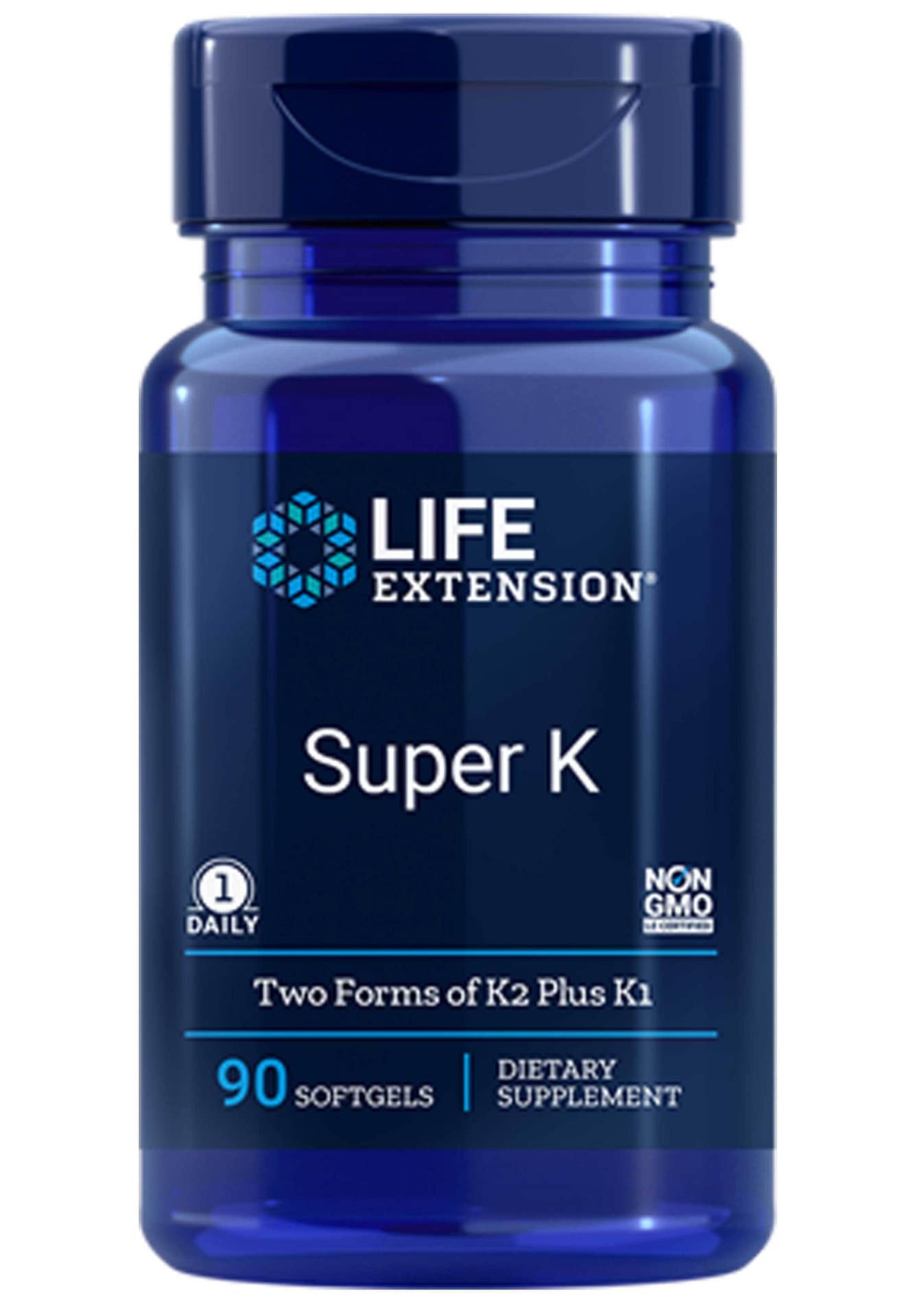
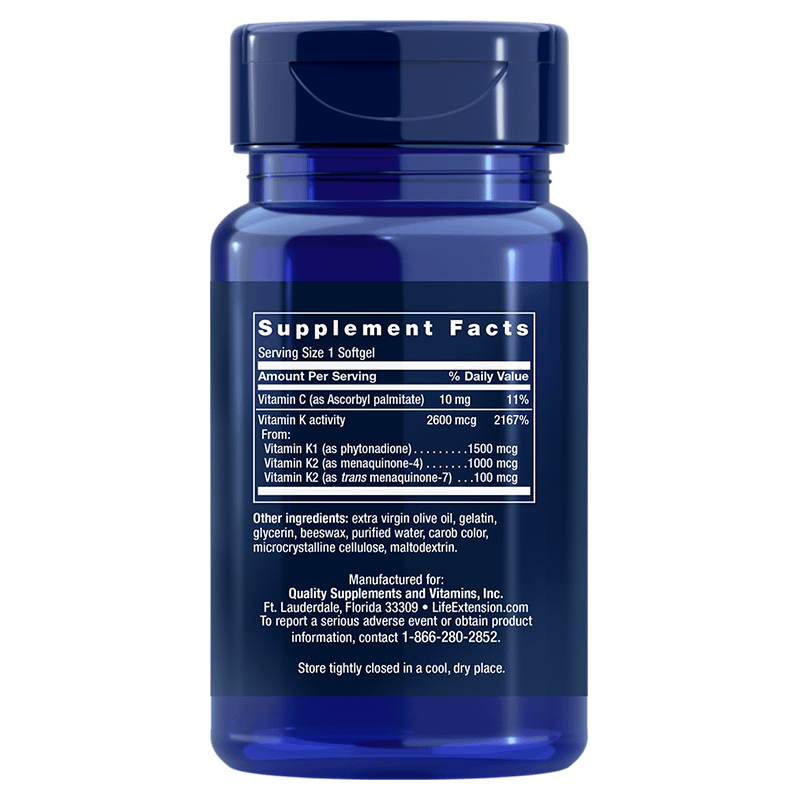
Vitamin K2 comes in two forms that are particularly beneficial for bone health: MK-4 and MK-7. Both forms help direct calcium to your bones and keep it out of places it doesn’t belong, like your arteries. Here’s how they differ:
- MK-4: The most commonly studied form for osteoporosis. It’s fast-acting but doesn’t stay in your system for long.
- MK-7: This form stays active in your body longer, making it ideal for consistent, long-term support.
Research shows that Vitamin K2—particularly in the MK-4 form—has a profound impact on reducing fracture risk:
- 60% reduction in vertebral fractures.
- 77% reduction in hip fractures.
- 81% reduction in non-vertebral fractures.
These are game-changing results compared to the modest improvements seen with calcium and vitamin D alone.
K2 Warning
While Vitamin K2 is incredibly effective, it’s not for everyone. If you’re taking blood-thinning medications like warfarin, it’s essential to consult your doctor before starting Vitamin K2. It can interfere with these medications, so you’ll need guidance to ensure your treatment plan is safe and effective.
Why You Haven’t Heard About Vitamin K2
Vitamin K2 isn’t as well-known as calcium or vitamin D, and it’s not often recommended by doctors. Part of the reason is that research on K2 has gained momentum only in the past couple of decades. Plus, it’s not as simple as popping a calcium pill—it’s a more nuanced part of a comprehensive approach to bone health.
Vitamin K2 is one of the most effective supplements for improving bone density and reducing fractures. If you’re serious about protecting your bones, K2 deserves a place in your plan.
Building a Better Bone Plan
Osteoporosis can feel overwhelming, especially when you’re told that your bones are thinning, and you’re at risk of fractures. But the good news is that you’re not powerless. With the right strategies, you can take meaningful steps to protect your bones, reduce your fracture risk, and improve your overall quality of life.
We’ve covered a lot in this post:
- Calcium and vitamin D are important for bone maintenance, but they aren’t enough to prevent fractures on their own.
- Supplements for osteoporosis like Vitamin K2 play a vital role in directing calcium to your bones, where it belongs, and reducing fractures by game-changing percentages.
- Exercise for osteoporosis, especially weight-bearing and resistance training, can stimulate bone growth and strengthen muscles to prevent falls.
- A diet for osteoporosis that’s rich in protein, healthy fats, and key nutrients like magnesium and vitamin K2 builds a foundation for stronger bones.
- Lifestyle factors like quitting smoking, reducing alcohol, and getting restorative sleep tie everything together.
No single solution will solve osteoporosis, but when you combine these evidence-based strategies, you can make real progress.
What’s Next?
Want to learn more about the medications used to treat osteoporosis?
My next post [coming soon] takes a closer look at the most commonly prescribed drugs for osteoporosis—they’re called bisphosphonates. These medications can significantly improve bone mineral density—but they also come with some serious long-term risks.
- Postmenopausal Osteoporosis. Black DM, Rosen CJ. The New England Journal of Medicine. 2016;374(3):254-62. doi:10.1056/NEJMcp1513724.
- Health Risks and Benefits From Calcium and Vitamin D Supplementation: Women's Health Initiative Clinical Trial and Cohort Study. Prentice RL, Pettinger MB, Jackson RD, et al Osteoporosis International : A Journal Established as Result of Cooperation Between the European Foundation for Osteoporosis and the National Osteoporosis Foundation of the USA. 2013;24(2):567-80. doi:10.1007 s00198-012-2224-2.
- Role of Calcium &/or Vitamin D Supplementation in Preventing Osteoporotic Fracture in the Elderly: A Systematic Review & Meta-Analysis. Khatri K, Kaur M, Dhir T, Kankaria A, Arora H. The Indian Journal of Medical Research. 2023;158(1):5-16. doi:10.4103/ijmr.ijmr_1946_21.
- Effects of Combined Calcium and Vitamin D Supplementation on Osteoporosis in Postmenopausal Women: A Systematic Review and Meta-Analysis of Randomized Controlled Trials. Liu C, Kuang X, Li K, et al. Food & Function. 2020;11(12):10817-10827. doi:10.1039/d0fo00787k.
- American Association of Clinical Endocrinologists/American College of Endocrinology Clinical Practice Guidelines for the Diagnosis and Treatment of Postmenopausal Osteoporosis-2020 Update. Camacho PM, Petak SM, Binkley N, et al. Endocrine Practice : Official Journal of the American College of Endocrinology and the American Association of Clinical Endocrinologists. 2020;26(Suppl 1):1-46. doi:10.4158/GL-2020-0524SUPPL.
- Should We Prescribe Calcium or Vitamin D Supplements to Treat or Prevent Osteoporosis?. Bolland MJ, Grey A, Reid IR. Climacteric : The Journal of the International Menopause Society. 2015;18 Suppl 2:22-31. doi:10.3109/13697137.2015.1098266.


